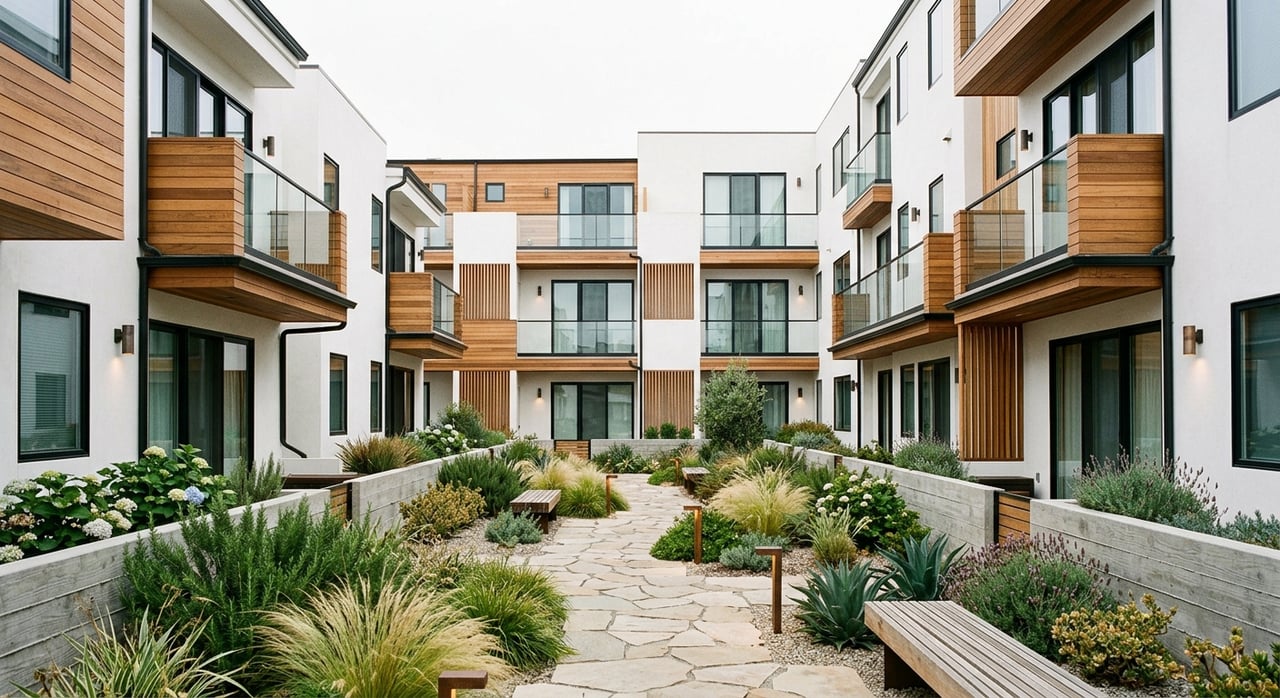
Trying to decide between a condo and a single-family home in San Mateo? You are not alone. In a market where prices move fast and housing types can feel like completely different products, the right choice often comes down to how you want to live, what monthly costs you can comfortably carry, and how much control you want over the property. This guide will help you compare the tradeoffs clearly so you can make a confident call. Let’s dive in.
Why this choice matters in San Mateo
San Mateo is not a one-size-fits-all market. Redfin reported a citywide median sale price of $1,756,949 for the three months ending May 2026, with homes averaging just 13 days on market, while Zillow’s home value index for San Mateo was $1,686,905 as of March 31, 2026.
At the same time, county-level pricing shows a much wider ladder by home type. Redfin shows San Mateo County condos at a median listing price of $825,000 and townhouses at $1.35 million, while the county’s all-home-types median sale price was $1,794,617 in May 2026. That spread helps explain why your home-type decision is often just as important as your neighborhood decision.
Condos and homes serve different goals
In simple terms, condos and townhomes often appeal to buyers who want a lower entry price, less exterior maintenance, and convenient access to transit or daily amenities. Single-family homes usually appeal to buyers who want more land, more privacy, and more direct control over the property.
Neither option is automatically better. In San Mateo, the better fit depends on how you want to spend your time, how important flexibility is to you, and whether you prefer a more urban setting or a more traditional detached-home setting.
Where condos tend to cluster
In San Mateo, condos, townhomes, and mixed-use residential projects are most concentrated near Downtown, the Caltrain corridor, and El Camino Real. The city’s 2022 TOD Pedestrian Access Plan says transit-oriented development is found Downtown and around the Hayward Park and Hillsdale Caltrain stations, typically within one-half mile of transit.
That planning pattern shows up in real projects. The city describes Essex at Central Park as a five-story retail and residential project across from Central Park, and it identifies mixed-use projects like 31–57 S. B Street and a condominium building at 4 W. Santa Inez Ave on El Camino Real. In practical terms, that means condo living in San Mateo often goes hand in hand with walkability, shared-wall construction, and easier access to downtown services and transit.
Bay Meadows as a condo and townhome example
Bay Meadows is one of the clearest examples of transit-oriented housing in San Mateo. The city describes it as a redevelopment of the former racetrack, with improvements around Hillsdale Station that made access easier to Bay Meadows and Hillsdale Shopping Center.
Bay Meadows Phase II includes mixed-use blocks with active retail and a 67-unit multifamily residential building. The design guidelines also require open space in townhouse, rowhouse, apartment, condominium, and loft developments, which reinforces that these homes are built around a different lifestyle pattern than detached housing.
Where single-family homes tend to cluster
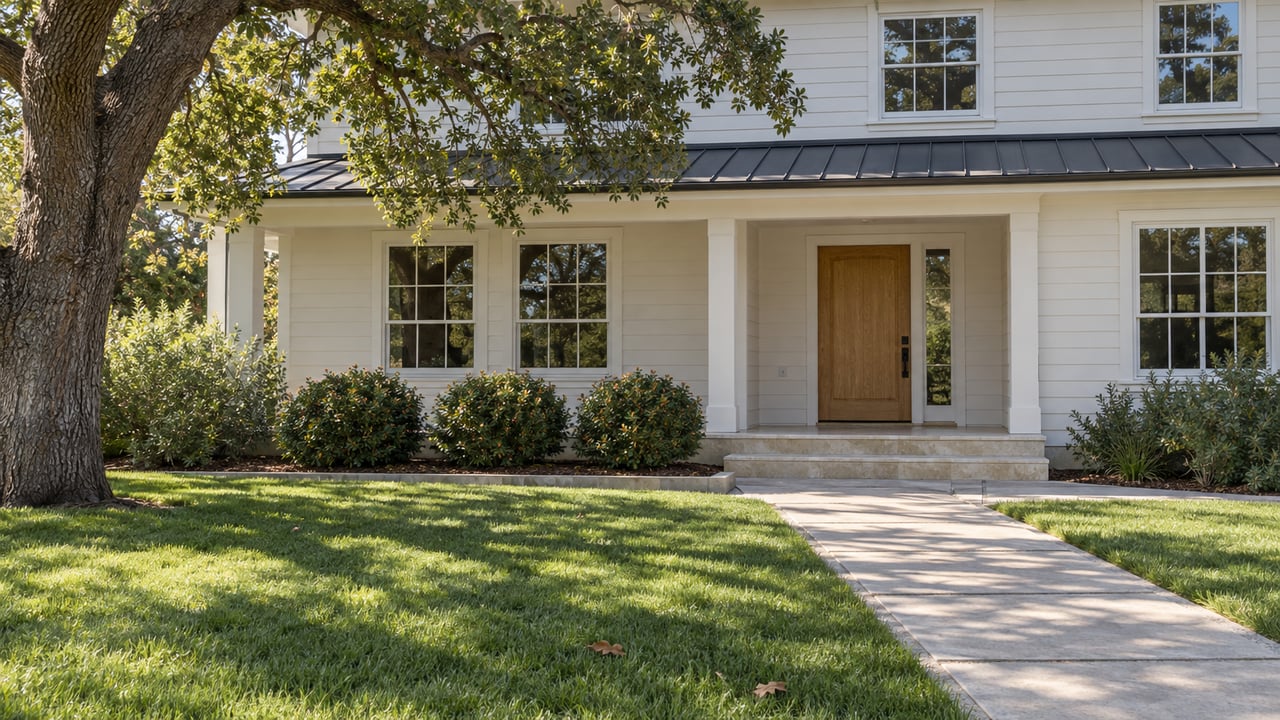
On the detached-home side, San Mateo’s R1 districts are intended to preserve areas suitable for single-family dwellings with substantial open space and outdoor living. That gives you an important clue about what the city is protecting and where a more traditional detached-home experience is most likely.
City-hosted community materials describe Aragon, Baywood, and San Mateo Park as four contiguous neighborhoods west of El Camino Real that are mostly single-family homes and within walking distance of downtown and Central Park. The same materials describe Hayward Park as mostly single-family with some duplexes and some multifamily units, making it a useful middle-ground option if you want a more residential feel while staying relatively central.
How monthly costs really differ
The purchase price is only part of the story. In California, condos and many townhomes are usually part of common-interest developments, and the California Attorney General says homeowners associations enforce CC&Rs and generally collect fees and assessments.
Under California Civil Code 4775, the association is generally responsible for repairing, replacing, and maintaining common area unless the declaration says otherwise. For you as a buyer, that usually means a condo or townhome may offer a lower purchase price than a detached home, but it adds a monthly HOA cost that helps cover shared upkeep, systems, and amenities.
With a single-family home, you may have less association cost or no association cost at all, but more of the repair and maintenance responsibility falls directly on you. So the decision is not just about what you spend up front. It is also about whether you want predictable shared costs or more direct responsibility for the property.
Maintenance and lifestyle tradeoffs
A condo can simplify day-to-day ownership if you prefer less exterior upkeep. That can be especially attractive if you travel often, work long hours, or simply want a more lock-and-leave lifestyle.
A single-family home usually gives you more independence. You have more direct say over the property, more separation from neighbors, and often more outdoor space, but you also take on more of the maintenance planning and cost yourself.
Parking and car use can feel different
Location can shape your daily routine just as much as the floor plan. The Downtown Area Plan emphasizes pedestrian access, transit use, and downtown connectivity, and at least one downtown mixed-use project, 31–57 S. B Street, was approved with no on-site vehicle parking.
That helps explain why some condo and corridor locations in San Mateo can feel more urban and car-light. Detached-home areas, especially those preserved for single-family use, often support a different rhythm with more emphasis on private outdoor space and a more traditional neighborhood layout.
Flexibility matters more than many buyers expect
Before you buy a condo or townhome, pay close attention to the HOA documents. The California Attorney General explains that CC&Rs set requirements and limitations, and buyers should understand the rules that come with the property.
This matters if you may want to rent the home out later, make exterior changes, or avoid approval processes. Association rules are not a side detail. They are part of the ownership experience and should be weighed just as seriously as the layout, price, or location.
Resale timing may differ by home type
San Mateo moves quickly overall, but not every property type moves at the same speed. Redfin’s county pages show condos taking about 37 days to sell on average and townhouses about 24 days, compared with roughly 13 days for San Mateo city homes overall.
The takeaway is simple: do not assume every San Mateo listing behaves the same way. If you are buying with future resale in mind, compare the specific ownership type and submarket you want rather than relying on citywide averages alone.
A simple way to make the call
If you are torn between a condo and a single-family home, focus on the next five to ten years. Think about your commute patterns, your maintenance tolerance, your monthly budget, and how much control you want over the property.
A condo or townhome may make the most sense if you want:
- A lower entry price than many detached homes
- Less exterior maintenance responsibility
- Proximity to Downtown, transit, or El Camino Real corridors
- A more walkable or car-light daily routine
A single-family home may make the most sense if you want:
- More land and private outdoor space
- More separation from neighbors
- Greater control over the property
- A setting that aligns with San Mateo’s lower-density residential areas
The San Mateo decision in one sentence
In San Mateo, condos and townhomes usually buy convenience and lower upkeep, while single-family homes usually buy land, privacy, and more control. The city’s own planning framework reinforces that tradeoff by steering denser, mixed-use housing toward transit and downtown corridors while preserving substantial single-family areas west of El Camino Real.
The best choice is the one that fits your day-to-day life, not just your search filters. When you compare product type, location, ownership structure, and resale behavior together, the right answer often becomes much clearer.
If you want help weighing San Mateo neighborhoods, ownership tradeoffs, and current market timing, The Doran Team can help you build a clear plan and move forward with confidence.
FAQs
What is the main difference between a condo and a single-family home in San Mateo?
- In San Mateo, condos usually offer a lower entry price and less exterior maintenance, while single-family homes usually offer more land, privacy, and direct control over the property.
Where are condos most commonly located in San Mateo?
- Condos and townhomes are commonly concentrated near Downtown, the Caltrain corridor, Hillsdale, Hayward Park, Bay Meadows, and along El Camino Real, where transit-oriented development is more common.
What should you review before buying a San Mateo condo?
- You should review the HOA’s CC&Rs, bylaws, fees, assessments, and any rules that may affect renting, exterior changes, or other property use decisions.
Are condos and townhomes slower to sell than other San Mateo homes?
- Based on current Redfin county data, condos are taking about 37 days to sell and townhouses about 24 days, compared with roughly 13 days on market for San Mateo city homes overall.
Which San Mateo areas are known for more single-family housing?
- City materials describe Aragon, Baywood, and San Mateo Park west of El Camino Real as mostly single-family, and Hayward Park as mostly single-family with some duplexes and multifamily housing.
How do HOA costs change the condo versus house decision in San Mateo?
- HOA costs can make a condo’s monthly ownership cost look different from its purchase price alone, since those fees generally help cover common-area maintenance, shared systems, and amenities.