If you're relocating for a senior role, the wrong home can add friction to every part of your week. In Palo Alto Hills, the tradeoff is clear: you can gain privacy, views, and a quieter foothill setting, but you also need to think carefully about commute routes, parcel usability, and wildfire readiness. This guide will help you understand how Palo Alto Hills works, what to prioritize in your search, and how to evaluate homes efficiently. Let’s dive in.
Why Palo Alto Hills Appeals to Executives
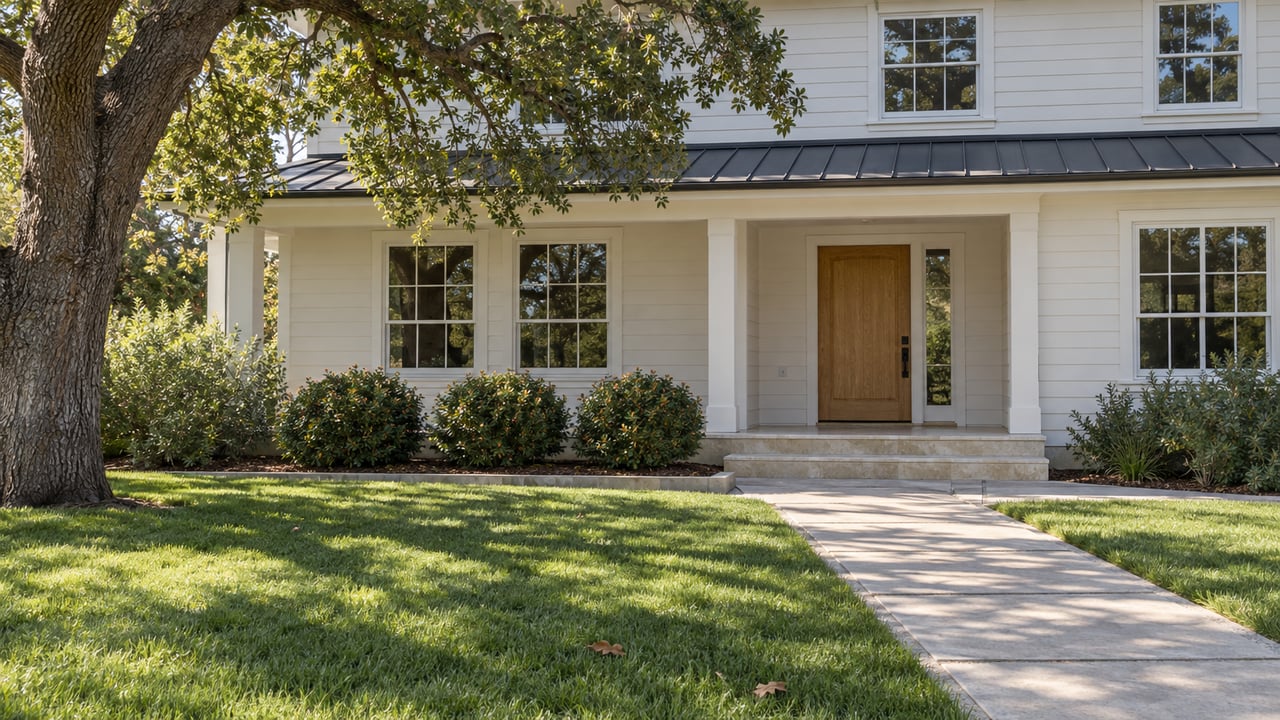
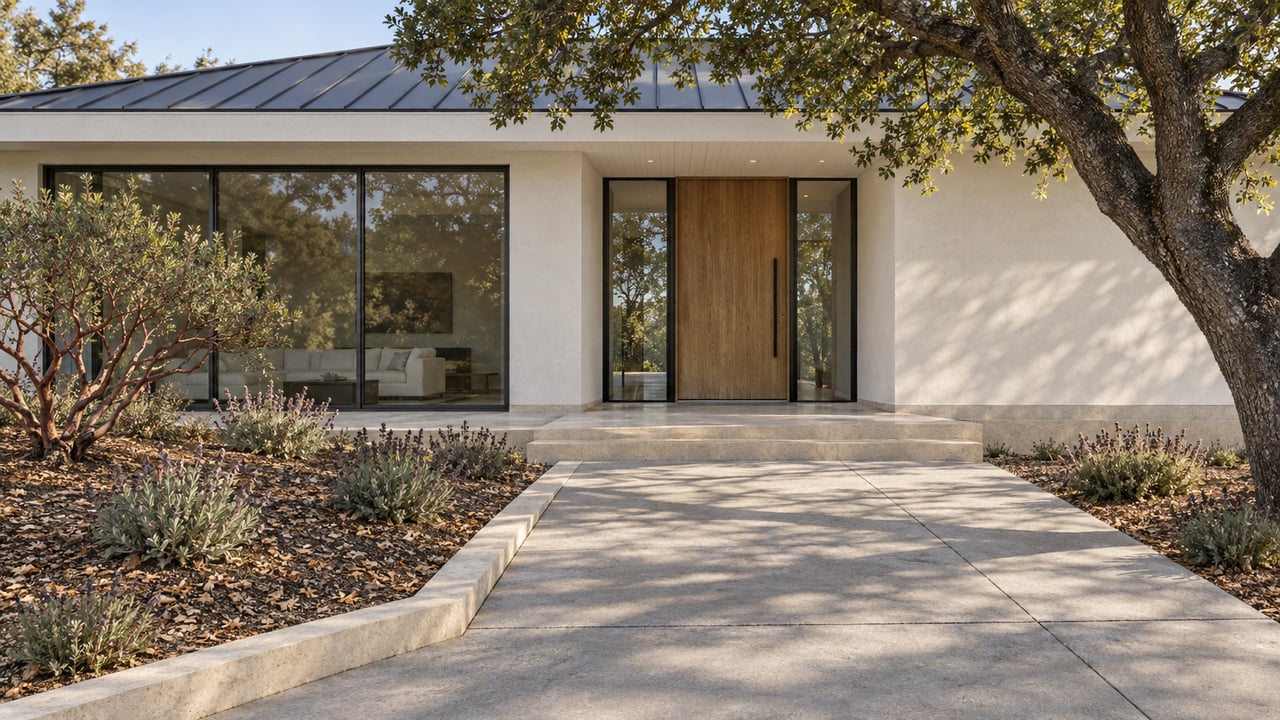
Palo Alto Hills is not a typical flatland neighborhood pattern. It functions more like a foothill estate market, where the setting, topography, and lot characteristics often matter just as much as the house itself. If you want more separation, more open space, and a more private feel, that is a big part of the appeal.
The area also benefits from close proximity to major Peninsula anchors while feeling more removed from the pace of busier streets below. For many relocating executives, that balance matters. You can stay connected to Palo Alto and Stanford while coming home to a setting that feels calmer and more secluded.
Another major draw is the surrounding landscape. The City of Palo Alto notes that it has more than 4,000 acres of open-space preserves, and Foothills Nature Preserve alone covers 1,400 acres with trails and views toward Stanford, downtown Palo Alto, and the Bay. That open-space adjacency helps explain why Palo Alto Hills often feels quieter and more private than many flatland options.
What Makes Palo Alto Hills Different
Larger parcel patterns
In Palo Alto Hills, parcel size and site layout are central to value. Palo Alto’s RE district is intended to maintain single-family living areas that work with natural terrain and native vegetation. The city describes RE as a one-acre district, with one residence plus an accessory dwelling or guest cottage on a site and a 6,000-square-foot cap on the main dwelling.
That is very different from much of Palo Alto’s base single-family fabric. The city’s single-family zoning manual shows a typical R-1 lot of 4,980 square feet, though some R-1 subdistricts allow larger minimum lot sizes. In practical terms, that means Palo Alto Hills homes are often judged by privacy, setbacks, mature landscaping, and usable outdoor space as much as by interior square footage.
A terrain-driven lifestyle
The city’s residential regulations are designed to preserve open-space areas, mature landscaping, and variety in architectural styles. In a foothill setting, that shapes the experience of ownership. A home may offer a beautiful site and strong privacy, but the slope, driveway configuration, and layout of the land can affect day-to-day living more than photos suggest.
That is why two homes with similar square footage can feel very different in person. One may offer broad usable grounds and easy access, while another may deliver stronger views but less practical outdoor space. In Palo Alto Hills, the land is often part of the lifestyle decision.
Commute and Access Matter More Here
For executives, commute planning in Palo Alto Hills is about more than mileage. Route choice, traffic timing, and road conditions can have an outsized effect on your day. Palo Alto notes that oversized vehicle movements along Highway 280, Page Mill Road, Oregon Expressway, and Foothill Expressway are not controlled by the city, and city work notices for the Page Mill and I-280 area have advised motorists to expect delays and allow extra time.
That means a home that looks convenient on a map may feel different during a real weekday schedule. If your calendar includes office time, Stanford meetings, airport runs, or regional travel across the Peninsula, route sensitivity should be part of your early screening process.
Stanford is an important nearby anchor for many buyers. The university’s campus spans 8,353 acres and includes 150 companies in Stanford Research Park. For buyers with Stanford-related work or frequent meetings nearby, Palo Alto Hills can offer meaningful proximity while still delivering a more tucked-away residential setting.
Wildfire Readiness Is Part of the Decision
This is one of the biggest practical differences between Palo Alto Hills and flatter parts of Palo Alto. Palo Alto states that portions west of Junipero Serra Boulevard and Foothill Expressway are in moderate hazard areas, while areas in the Palo Alto Hills are in high or very high Fire Hazard Severity Zones. The city also ties the area to ongoing wildfire preparedness efforts, including fuel reduction, sensors, and camera work.
That does not mean every property presents the same level of concern, and it does not automatically predict insurance outcomes. Palo Alto specifically says these hazard maps evaluate hazard, not individual insurance risk. Still, if you are relocating into the foothills, wildfire preparedness should be part of your search from day one.
You should think about wildfire readiness in practical terms, including:
- The property’s Fire Hazard Severity Zone designation
- Your evacuation zone awareness
- Defensible-space expectations
- Questions your insurer may raise
- How route access could affect emergency planning
Palo Alto also advises people living or working in the wildland-urban interface to know their evacuation zone. For an executive buyer, that is not a detail to leave until late in escrow. It belongs on your shortlist review along with commute fit, privacy, and parcel usability.
How to Search Efficiently
If you are relocating on a tight timeline, the fastest approach is not to start with long home tours. In Palo Alto Hills, you will save time by screening parcels first. Palo Alto parcel reports can show lot size, zoning, land-use designation, flood zone, parking district, historic status, traffic impact district, easements, and, for single-family lots, maximum floor area, lot coverage, height, and setbacks.
This early review helps you avoid falling for a property that does not fit your real needs. It can also reveal whether a site has the flexibility you want if you are considering updates, expansion, or accessory structures later.
Screen these questions first
Before you tour extensively, focus on a short list of questions:
- How private is the site?
- How much of the parcel is actually usable?
- What is the zoning district?
- Can the home likely be expanded or remodeled?
- How route-sensitive is the commute?
- What does wildfire readiness look like here?
These answers are often easier to verify through parcel information, zoning review, route testing, and fire-hazard designation than through listing photography.
Confirm remodel potential early
If you think you may want to modify a home, check feasibility before getting emotionally attached. Palo Alto says projects such as second-story additions, new two-story single-family homes, landscaping changes, parking changes, and parcel-line changes can trigger planning entitlement review. The city also states that planning intake appointments are mandatory.
For a relocating executive, this matters because future flexibility is often part of the purchase decision. A home may suit your needs today, but if your long-term plan includes expansion, guest space, or major site changes, that should be investigated early.
Compare Palo Alto Hills to Nearby Alternatives
Palo Alto Hills is not the right fit for every executive. If you value a more estate-like environment and are comfortable with route variability, it can be compelling. If you want flatter streets, faster in-town errands, and a more conventional residential layout, another part of Palo Alto may be a better match.
A same-day comparison can be especially helpful. Touring one Palo Alto Hills home, one flatland Palo Alto property, and one Los Altos Hills property gives you a much clearer sense of privacy, lot feel, and access than online browsing alone.
Los Altos Hills is often the closest comparison point. The town describes a residential-agricultural setting with open lands, rolling hills, views, a rural atmosphere, and about 80 miles of pathways and trails. Its housing element states that the residential-agricultural district has a minimum lot size of one acre, which helps explain why buyers often cross-shop the two areas.
Who Palo Alto Hills Fits Best
Palo Alto Hills is usually best for buyers who place a premium on privacy, views, and a foothill setting. It also tends to appeal to those who want proximity to Stanford and broader Peninsula access without choosing a denser flatland environment. The tradeoff is that route planning and wildfire readiness are part of daily life here.
If that sounds like a worthwhile exchange, the area can offer a distinctive ownership experience that is hard to replicate elsewhere in Palo Alto. The key is making sure you evaluate each property through the lens of the site, not just the house.
A smart relocation plan starts with the right questions, a tight shortlist, and local guidance that keeps you moving efficiently. If you're considering a move to Palo Alto Hills, The Doran Team can help you compare properties strategically, navigate the Mid-Peninsula market with confidence, and make a faster, more informed decision.
FAQs
What makes Palo Alto Hills different from other parts of Palo Alto?
- Palo Alto Hills is more of a foothill estate market, where privacy, views, parcel size, slope, and open-space adjacency often matter as much as the house itself.
What should executive buyers review before touring homes in Palo Alto Hills?
- Executive buyers should start with parcel screening, including lot size, zoning, easements, usable land, route access, and Fire Hazard Severity Zone information.
What does wildfire readiness mean for homes in Palo Alto Hills?
- In Palo Alto Hills, wildfire readiness can include understanding hazard-zone designation, evacuation-zone awareness, defensible-space expectations, and insurer questions.
What should buyers know about remodeling a Palo Alto Hills home?
- Buyers should confirm early whether planned changes may require planning entitlement review, since Palo Alto says items like second-story additions, new two-story homes, landscaping changes, parking changes, and parcel-line changes can trigger review.
How should relocating buyers compare Palo Alto Hills with Los Altos Hills?
- A same-day tour of both areas can help you compare privacy, lot feel, route access, and overall setting more clearly than listing photos alone.
Is Palo Alto Hills a good fit for Stanford-connected executives?
- It can be a strong fit for Stanford-connected executives who want proximity to campus and Stanford-related meetings while also prioritizing a quieter, more private foothill setting.