By The Doran Team
There is a meaningful difference between a home that is decorated and a home that is designed. Decorated homes follow trends. Designed homes follow principles. And on the Mid Peninsula, where buyers are discerning, the resale market is competitive, and homes represent serious long-term investments, understanding that distinction matters whether you are settling into a new property in Redwood City, refreshing a home you have owned for years, or preparing a listing for the market.
We work closely with buyers and sellers across Redwood City, San Mateo, Burlingame, and Menlo Park, and one of the things we observe consistently is that the homes generating the strongest emotional responses and the highest sale prices are almost never the ones chasing the design moment.
They are the ones that feel grounded, intentional, and quietly exceptional. Timeless design is not about being conservative or boring. It is about making choices that hold their beauty and their value over time.
Here are the principles we return to again and again when guiding our clients through design decisions for their Mid Peninsula homes.
Lead with Quality in the Things You Cannot Easily Change
The single most important design principle for any home, and the one that pays the most consistent dividends over time, is to invest heavily in the elements that are difficult or expensive to change and be more flexible in the elements that are easy and affordable to update.
Your flooring, cabinetry, countertops, tile work, and architectural millwork are the foundation of your home's design identity. These are the surfaces and structures that buyers feel and respond to before they consciously register anything else. Wide-plank hardwood floors in a warm natural tone, solid wood cabinetry with simple clean-line profiles, and natural stone countertops in the kitchen and primary bath are choices that age gracefully across decades and across design trends.
In Redwood City and the surrounding Peninsula communities, where many homes blend mid-century bones with more recent updates, the quality of these foundational elements is one of the clearest signals of care and investment. Buyers feel the difference immediately, even if they cannot always articulate exactly what they are responding to.
Choose a Neutral Foundation with Intentional Warmth
The conversation around neutral interiors is sometimes misunderstood. Timeless does not mean sterile, and neutral does not mean cold. The most enduring interiors we encounter on the Peninsula are built on a foundation of warm, layered neutrals that create a sense of calm and spaciousness while still feeling genuinely inviting.
Think creamy whites rather than stark whites. Warm greige tones rather than cool gray. Soft sage and muted terracotta used as accent rather than dominant color. These palettes work beautifully in Redwood City's light-filled homes, where the generous natural light that the city's exceptional climate provides amplifies whatever palette you choose. They also photograph exceptionally well, which matters enormously when your home eventually enters the market.
The restraint in the foundational palette is what creates space for personality to emerge through art, textiles, plants, and accessories, all of which can be refreshed and updated without touching your walls or your permanent finishes.
Proportion and Scale Are Everything
One of the most common design mistakes we see in otherwise beautiful Mid Peninsula homes is a mismatch between the scale of the furnishings and the scale of the space. Undersized furniture in a generously proportioned living room creates a feeling of emptiness and disconnection. Oversized pieces in a more intimate space feel oppressive and crowded.
Timeless interiors are built on furniture and architectural elements that are correctly proportioned to the room they inhabit. A dining table that comfortably seats the number of people the room was designed to hold. Sofas and chairs arranged to create natural conversation and flow rather than pushed against every wall. Window treatments hung at ceiling height rather than at the window frame, which elongates the room and makes it feel larger and more considered.
In the charming bungalows of Stambaugh Hanna or the more expansive homes in the hills above Redwood City, these proportion decisions look different, but the underlying principle is identical. The furniture and the architecture should feel like they were made for each other.
Natural Materials Age Better Than Synthetic Alternatives
Across all design styles and all price points, natural materials consistently outperform synthetic alternatives in terms of longevity, beauty, and the way they respond to age. Wood, stone, linen, leather, wool, rattan, and clay all develop a patina over time that makes them more beautiful rather than less. Synthetic materials, by contrast, tend to degrade in ways that read as dated and worn rather than characterful.
This principle is particularly resonant in Redwood City, where the connection to the natural environment is a genuine part of the community's identity and lifestyle. The open space, the bay, the mild climate, the proximity to trails and parks, all of it creates a context in which bringing natural materials inside feels not just aesthetically appropriate but genuinely meaningful.
Natural materials also tend to be more versatile across design evolutions. A solid oak dining table can move from a farmhouse aesthetic to a contemporary one to a mid-century one depending on what surrounds it. A solid marble kitchen island anchors a space with a permanence and beauty that no engineered substitute has yet matched.
Lighting Is the Most Underinvested Element in Most Homes
If there is one design category where we see the greatest gap between investment and impact in Mid Peninsula homes, it is lighting. Most homeowners spend thoughtfully on furniture and finishes and then address lighting almost as an afterthought, relying on builder-grade fixtures and a single overhead source per room.
Timeless, beautifully designed interiors use layered lighting strategies that create flexibility and atmosphere across different times of day and different uses of the space. Ambient lighting establishes the overall illumination of a room. Task lighting serves specific functional needs at desks, kitchen counters, and reading areas. Accent lighting draws attention to art, architectural features, or plants. Decorative lighting, a sculptural pendant, a well-chosen table lamp, a pair of sconces flanking a mirror, contributes to the room's visual identity.
In Redwood City's many mid-century homes, statement lighting fixtures are also an opportunity to honor and amplify the architecture. A Sputnik chandelier in a post-war home with original hardwood floors and clean-line millwork is not just decorative. It is a design conversation between the present and the past that gives the space genuine personality and depth.
Edit Relentlessly and Give Every Room Room to Breathe
Perhaps the most underappreciated of all timeless design principles is restraint. The most sophisticated interiors we encounter on the Mid Peninsula are never the most filled rooms. They are the most considered ones. Every piece of furniture, every object on a shelf, every artwork on a wall was chosen deliberately and earns its place.
Editing your home ruthlessly, removing the pieces that are merely present rather than genuinely contributing to the space, is one of the highest-value design actions any homeowner can take. It costs nothing and transforms how a room feels immediately. Space itself is a design element, and giving your rooms the room to breathe communicates a confidence and intentionality that buyers and guests respond to powerfully.
For sellers preparing a Redwood City home for market, this editing process is the foundation of effective staging. For homeowners designing a space they plan to live in for years, it is the practice that keeps a home feeling calm, refined, and genuinely livable rather than cluttered and visually exhausting.
Honor the Architecture You Already Have
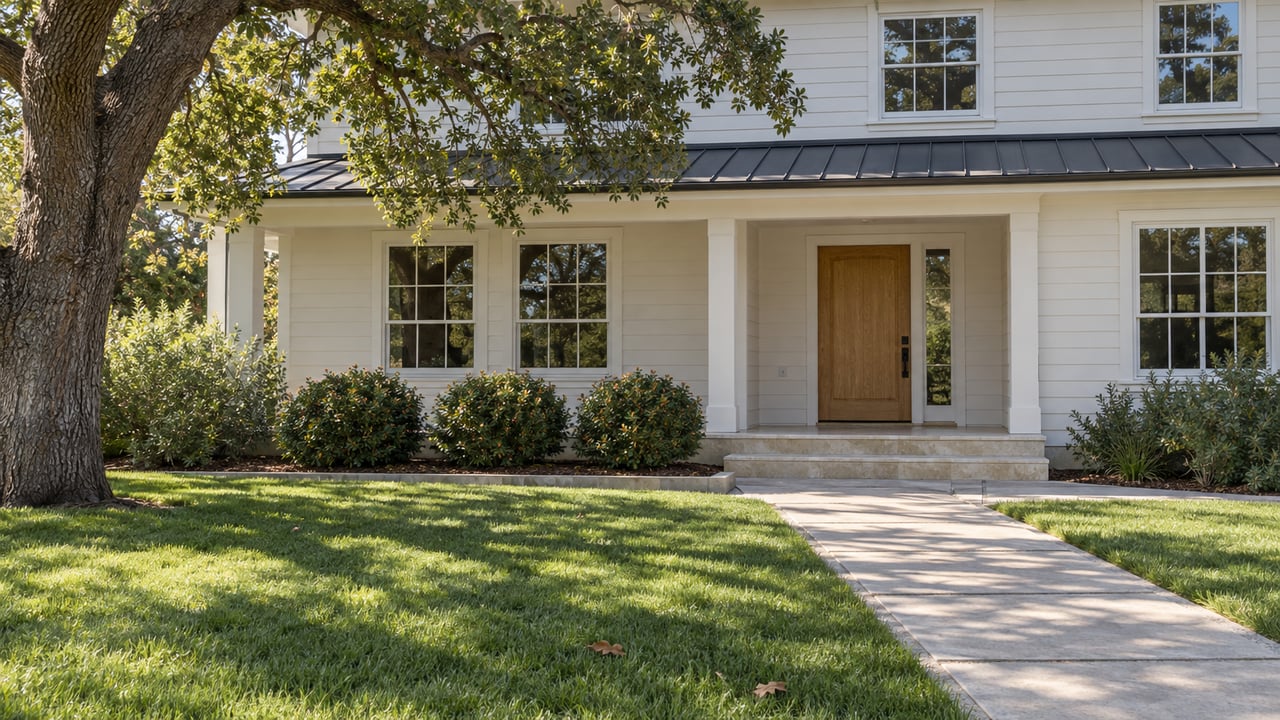
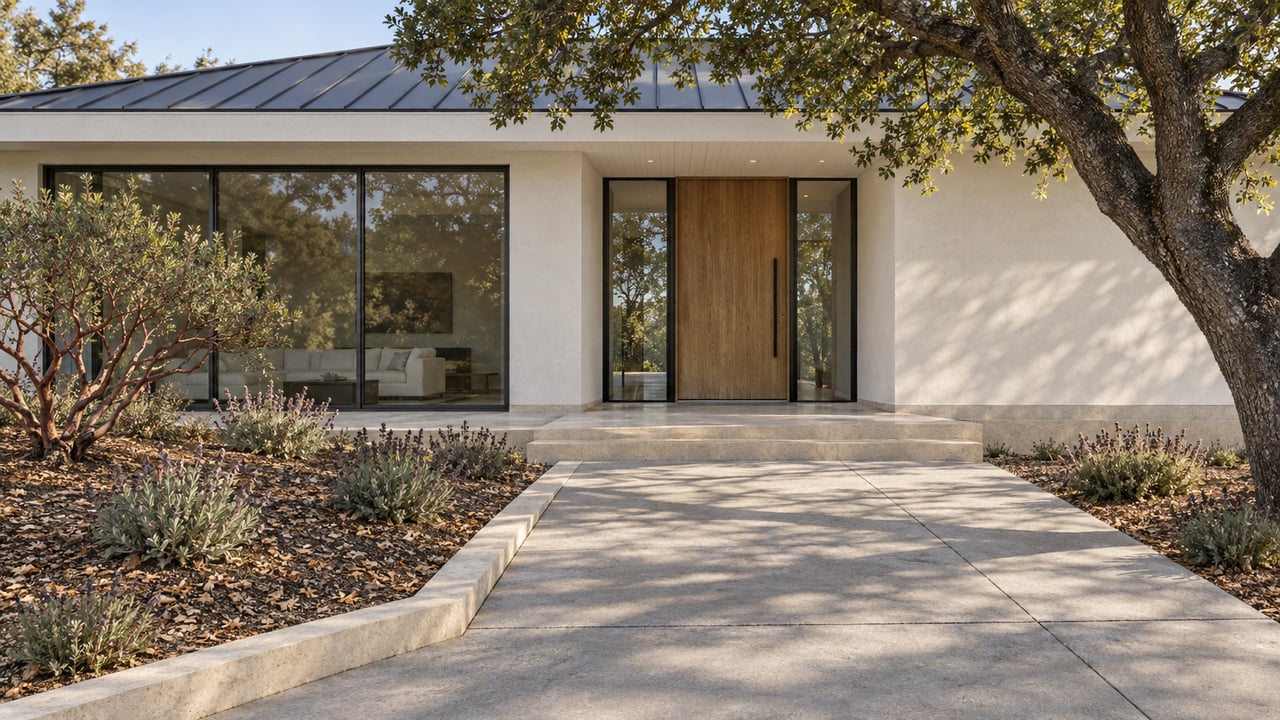
Finally, one of the most timeless design choices any homeowner can make is to work with their home's existing architectural character rather than against it. Redwood City's residential neighborhoods offer a genuinely rich variety of architectural styles, from the Spanish Colonial Revival homes near downtown to the ranch-style and mid-century properties that define much of the city's postwar residential fabric to the newer construction along the waterfront corridor.
Each of these architectural contexts has its own design language, its own proportions, its own material palette. Interiors that honor and extend that language feel cohesive and authentic in a way that interiors fighting against the architecture never quite achieve. You do not need to be a slave to period authenticity, but understanding what your home is telling you architecturally and letting that inform your design decisions is one of the most reliable paths to an interior that feels genuinely exceptional.
Frequently Asked Questions
How do we know when our home's design is timeless versus simply outdated?
The clearest signal is whether your design choices are built on enduring principles like quality materials, correct proportion, and thoughtful restraint, or on trends that had a specific moment. A well-proportioned room with quality hardwood floors, neutral walls, and considered lighting rarely feels dated. A room built around a specific trend color or a fashionable material with a short shelf life often does.
Should we redesign before selling or let buyers imagine the space themselves?
Our consistent recommendation is to invest in thoughtful updates and staging before listing. Buyers on the Mid Peninsula are comparing your home to a competitive inventory, and a home that communicates quality, care, and livability from the first photograph commands both more interest and stronger offers.
What is the highest-return design investment for a Redwood City home before selling?
Kitchen and primary bathroom updates consistently deliver the strongest returns, particularly when they focus on quality finishes, improved lighting, and hardware upgrades rather than full gut renovations. Fresh interior paint in a warm, well-chosen neutral is also one of the highest-return investments available at any price point.
How do we balance personal taste with broad appeal when designing our home?
Personal taste belongs in the elements that are easy and inexpensive to change, textiles, art, books, plants, and accessories. Broad appeal belongs in the permanent finishes and foundational choices. This framework lets you live in a home that genuinely reflects who you are while protecting your investment when the time comes to sell.
Great design is one of the most powerful tools available to homeowners and sellers on the Mid Peninsula, and it does not require a complete renovation or an unlimited budget. It requires intention, restraint, and a clear understanding of the principles that create lasting beauty. The Doran Team brings that perspective to every client relationship, whether we are helping you buy, sell, or simply think more clearly about the home you already love.
Connect with us and discover how we support our clients at every stage of the homeownership journey.