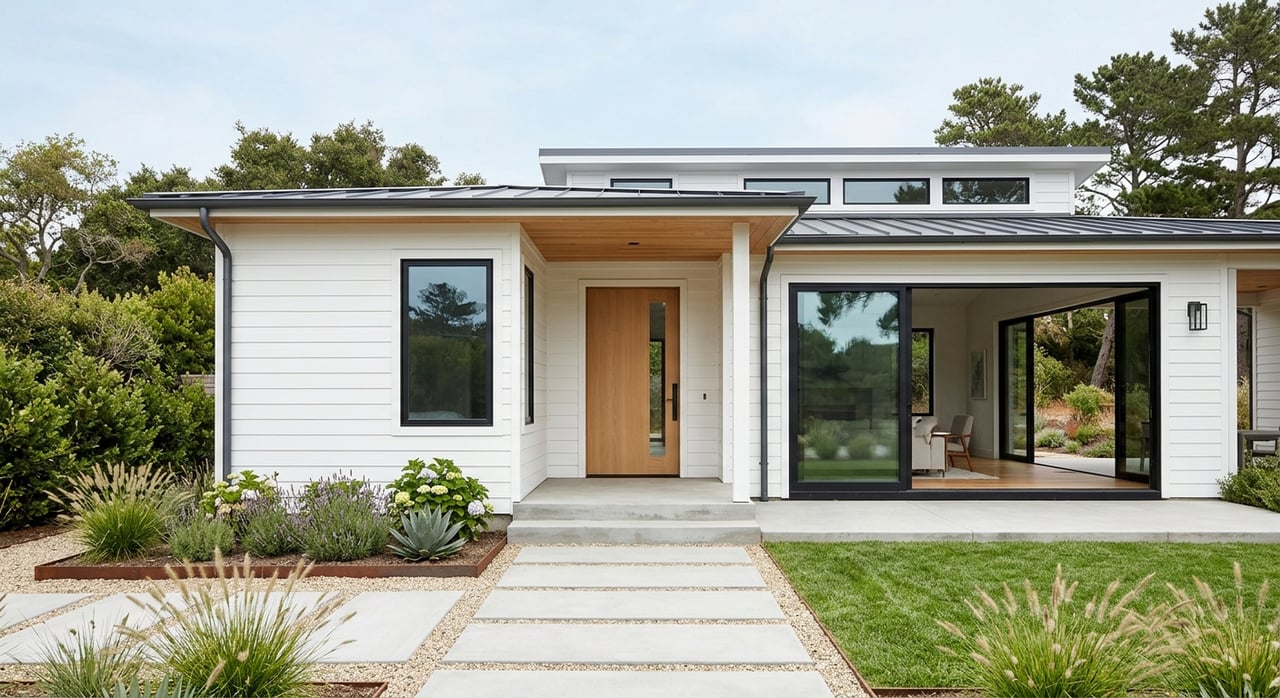
Dreaming about a place where your weekends feel slower the minute you arrive? A weekend home in Half Moon Bay can offer exactly that: ocean air, bluff-top walks, a historic downtown, and a rhythm that feels separate from the workweek without being far from the Peninsula. If you are considering a second home on the coast, it helps to know what daily life, upkeep, and local rules really look like before you buy. Let’s dive in.
Why Half Moon Bay Appeals to Weekend Buyers
Half Moon Bay sits about 28 miles south of San Francisco on the Pacific Coast, between beaches and forested hills. According to the City, the setting combines a historic downtown with shops, galleries, restaurants, beaches, parks, golf courses, nurseries, and farms. That mix gives the town a destination feel that makes short stays feel meaningful.
For many buyers, that is the core appeal. You are not buying a weekend home just for square footage. You are buying easier access to a coastal routine that feels different from a typical inland suburb.
The town also has a strong sense of place. Official city materials describe a close-community feel, which supports the idea that weekends here can feel grounded and local rather than purely tourist-driven. Even so, you should expect some visitor activity, especially during busier coastal weekends.
What Weekend Life Usually Feels Like
Half Moon Bay’s climate shapes the experience in a big way. NOAA normals show average highs of about 59 to 66 degrees throughout the year, with average lows around 43 to 54 degrees. In plain terms, your weekends are more likely to center on light layers, fresh air, and outdoor walks than on hot beach days.
Rain tends to fall mostly from November through March, while summer is comparatively dry. NOAA also reports no measurable snowfall. That mild marine pattern can make the area comfortable year-round, but it also means fog, moisture, and salt air are part of everyday ownership.
A typical weekend home rhythm here often looks simple and outdoor-focused. You might spend the morning walking or biking the Coastside Trail, then head into downtown for lunch, and finish the day near the beach or at home with the windows open to the coastal air.
Outdoor Activities Shape the Routine
The City describes the Coastside Trail as a bluff-top bike and pedestrian path with ocean and beach views, bird and wildlife watching, and wildflower viewing. That makes it one of the clearest examples of how Half Moon Bay supports a low-key but active weekend lifestyle. You do not need an elaborate plan to enjoy your time here.
Half Moon Bay State Beach adds another layer to that experience. The state park includes four smaller beaches and about two miles of sandy shoreline, with opportunities for camping, picnicking, surfing, and surf fishing. It is the kind of place that can turn an ordinary Saturday into something that feels like a short vacation.
There are a few practical notes to keep in mind. Swimming is not recommended at Half Moon Bay State Beach, and beach rules can vary by jurisdiction. The City also notes that dog access is limited to certain areas and leash rules apply where dogs are permitted.
Expect a Lively Coastal Weekend Scene
If you picture Half Moon Bay as quiet all the time, it is worth adjusting that expectation. The mood can still feel relaxed, but weekends often bring more activity. That is especially true in a place that functions as both a hometown and a coastal destination.
One useful indicator is the Francis Beach campground. State Parks notes that it is busy year-round and often fully booked in summer. For a weekend homeowner, that means the energy around town can feel lively even when your own property still feels like a retreat.
What Homes Tend to Feel Like
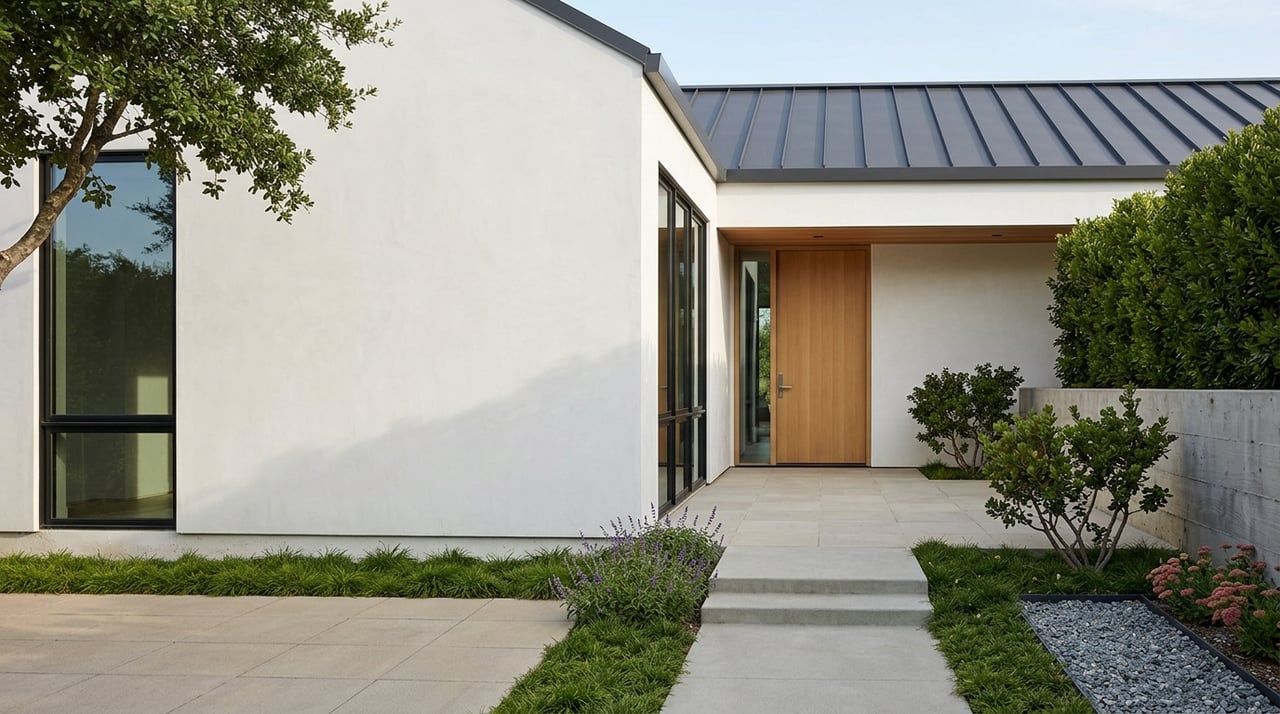
Half Moon Bay does not have one single architectural style. The clearest official design guidance applies to downtown, where the City’s Urban Design Plan describes a coherent historic district with a mix of historic and contemporary buildings. It also identifies influences such as Turn-of-the-Century, Mission and Spanish Revival, Italianate, Mediterranean Revival, and American Colonial Revival.
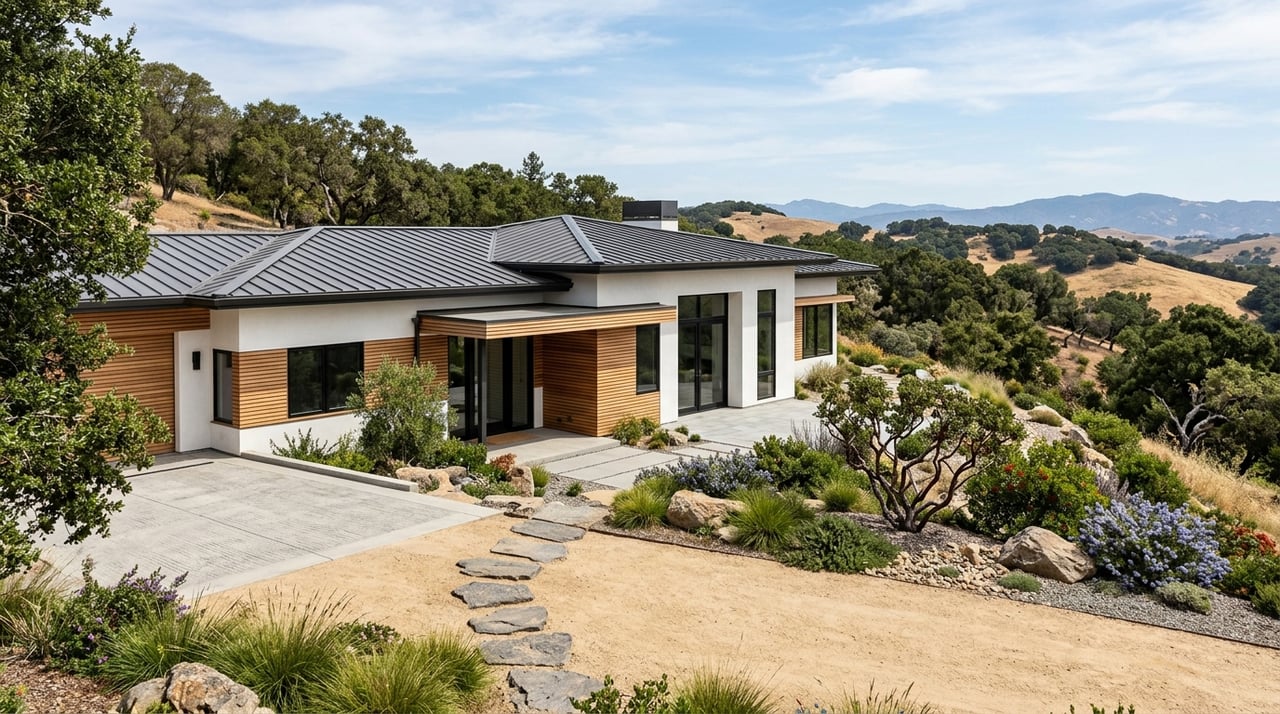
For buyers, that means the town’s housing character is better understood as varied than uniform. You may see older historic areas, beach-adjacent homes, and more conventional residential tracts. The strongest architectural identity appears in and around the downtown core.
That variety can be part of the fun. A weekend buyer may be drawn to a cottage feel, a more updated coastal home, or a property that offers a simple lock-and-leave setup. The right fit depends on how you want to spend your time when you are there.
Costs to Plan for Beyond the Purchase Price
Half Moon Bay is a premium coastal market. As one current reference point, Zillow’s March 31, 2026 snapshot put the average home value at $1,573,307. That number does not define every property type or every pocket of town, but it does show that buyers are entering a higher-end market.
Beyond price, property taxes deserve close attention. In San Mateo County, secured property taxes are based on the assessed value established on January 1. The County says the tax rate is usually 1 percent plus voter-approved indebtedness and any special charges.
The County mails secured tax bills by November 1, and the bills are payable in two installments due November 1 and February 1. If you are budgeting for a second home, those deadlines should be part of your annual ownership calendar. Planning ahead matters, especially if the property will not be your primary residence.
You should also expect the possibility of supplemental tax bills. San Mateo County says these may be issued after a change in ownership or value and can arrive weeks, months, or even years later once the Assessor processes the transfer. That can catch buyers off guard if they only budget for the standard tax bill.
Coastal Upkeep Is Real
Owning near the ocean comes with a different maintenance mindset. Salt air, moisture, sand, and weather exposure can make routine care more important than it might be in an inland location. A weekend home can feel easy and relaxing, but only if you stay ahead of the basics.
The City’s FOG and Sand Control Program offers a practical reminder. It notes that fats, oils, grease, and sand can clog sewer lines, create overflows, and increase sewer maintenance costs. For owners, that suggests a need for a little more attention to drains, cleanup after beach days, and general exterior care.
This does not mean ownership is difficult. It means you should think of a Half Moon Bay weekend home as a coastal property first, not just a second address. Good upkeep habits will protect both your comfort and your investment.
Renovations Can Take More Time
If you are thinking about buying a property and updating it over time, permits should be part of the conversation early. Half Moon Bay is entirely within the California Coastal Zone. The City explains that many projects can require a Coastal Development Permit.
The City’s building guidance also says a permit is required for new construction, demolition, remodeling, expansion, addition, or repair to a structure. In practice, that means even modest improvements may involve approvals, timelines, and coordination. For weekend buyers, this can affect how quickly you can personalize the home after closing.
That is one reason it helps to enter the search with a clear plan. A home that already fits your weekend lifestyle may offer a smoother experience than one that needs immediate work.
Flood Risk Should Be Part of Due Diligence
Flood planning is another important part of owning coastal real estate. The City advises owners to consider flood insurance if they are in a flood zone. It also notes that regular homeowner’s insurance usually does not cover flood damage.
Before you buy, it is smart to review flood-map information and understand how the property’s location may affect your ongoing costs. This is not just a paperwork issue. It is part of the true ownership picture in a coastal market.
Renting It Out Is Not Simple
Some buyers assume they can offset costs by renting out the home when they are away. In Half Moon Bay, that idea needs careful review. The City’s short-term rental ordinance says short-term rentals must register before operating and are subject to business-license and transient-occupancy-tax rules.
The ordinance also places limits on rental nights and the number of short-term rentals per operator. In addition, short-term rentals are not permitted in ADUs, and the rules are tied to a primary-residence framework. For many second-home buyers, that means short-term rental income may not be a straightforward part of the plan.
This is one of the biggest practical differences between dreaming about a weekend home and actually owning one. If rental flexibility is important to you, it is worth discussing that goal early before you focus on any specific property.
Who a Half Moon Bay Weekend Home Fits Best
A weekend home in Half Moon Bay often works best if you genuinely plan to use it. The value is not only in the asset itself. It is in the ease of leaving the Peninsula for a short drive and stepping into a different pace for a couple of days.
This can be a strong fit if you want outdoor access, a mild climate, and a coastal setting with a real town center. It can also appeal if you prefer relaxed routines over resort-style amenities. The experience is more about everyday enjoyment than constant entertainment.
At the same time, buyers should be comfortable with premium pricing, coastal maintenance, permit complexity, and location-specific rules. The people happiest with these homes usually go in with clear eyes and a plan.
How to Buy Smarter on the Coast
The smartest weekend-home purchases usually start with a few honest questions:
- How often will you realistically use the home?
- Do you want turnkey condition or are you open to updates?
- How much maintenance are you comfortable managing?
- Have you budgeted for taxes, possible supplemental bills, insurance, and upkeep?
- Is short-term rental income truly part of your plan, or just a nice idea?
If you can answer those questions clearly, your search becomes much more focused. You can evaluate properties not just by charm, but by fit.
A Half Moon Bay weekend home can be an incredible lifestyle purchase when the home, budget, and intended use all line up. If you want help thinking through coastal ownership, evaluating the right property, or comparing Half Moon Bay with other Peninsula lifestyle options, The Doran Team can help you build a smart, tailored plan.
FAQs
What is weekend life like in Half Moon Bay?
- Weekend life in Half Moon Bay usually centers on mild weather, beach access, bluff-top walks, downtown dining, and a relaxed coastal pace rather than hot-weather beach living.
What should buyers know about Half Moon Bay property taxes?
- In San Mateo County, secured property taxes are generally based on assessed value, with bills mailed by November 1 and installments due November 1 and February 1, and buyers may also receive supplemental tax bills after closing.
What should owners know about renovating a Half Moon Bay home?
- Because Half Moon Bay is entirely within the California Coastal Zone, many projects may require a Coastal Development Permit, and permits are required for work such as remodeling, additions, repairs, demolition, and new construction.
What should buyers know about flood insurance in Half Moon Bay?
- The City advises owners in flood zones to consider flood insurance because standard homeowner’s insurance usually does not cover flood damage.
Can you use a Half Moon Bay weekend home as a short-term rental?
- Short-term rentals in Half Moon Bay must be registered and follow local rules, including business-license and tax requirements, rental-night limits, operator limits, and a primary-residence framework.
What types of homes can buyers expect in Half Moon Bay?
- Buyers can expect a mix of historic areas, beach-adjacent homes, and more conventional residential tracts, with the downtown core showing the strongest historic architectural identity.