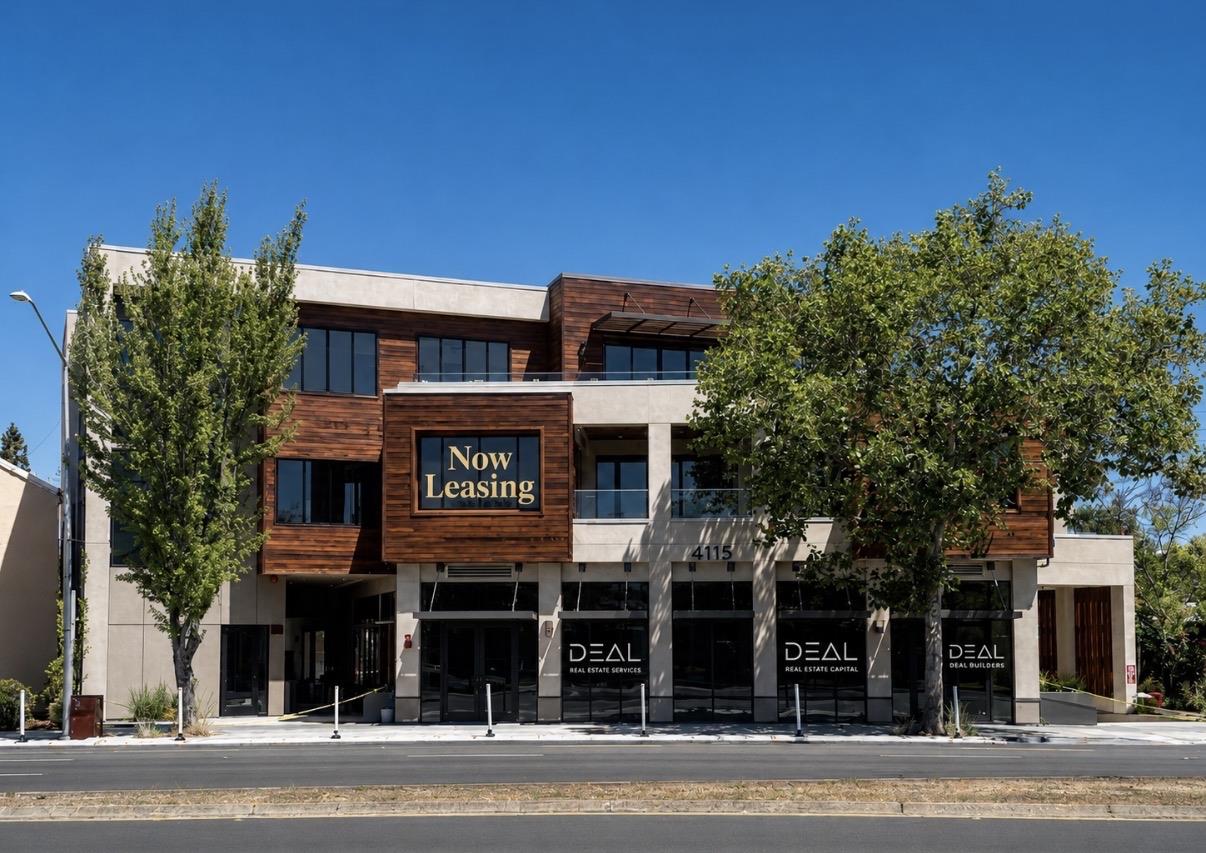
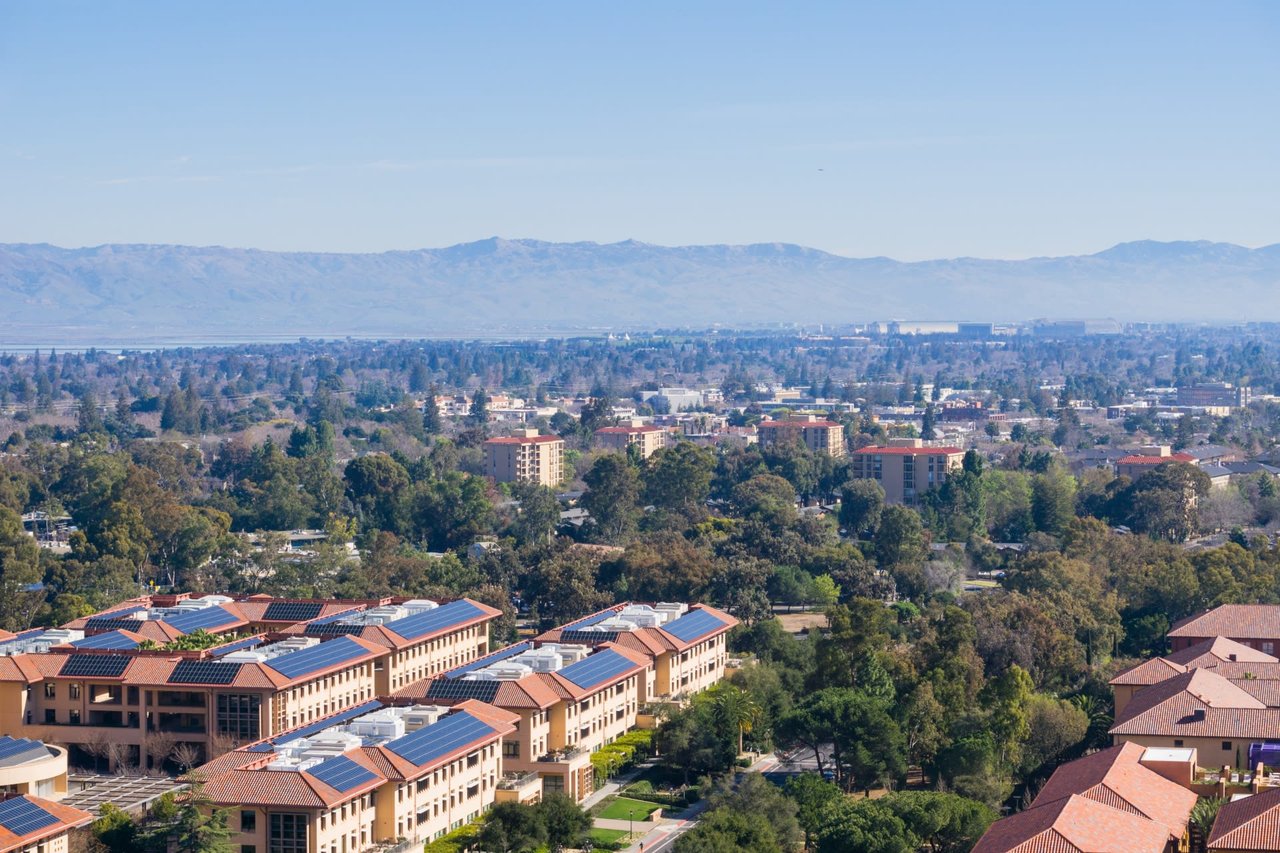
Palo Alto, CA
Palo Alto is located in Santa Clara County, California. Zip codes: 94301 to 94306. Population: 68,000. Yes, Palo Alto is an exceptionally safe city with a world-class quality of life. The community features top-ranked public schools, a walkable downtown, and convenient proximity to Stanford University.
Palo Alto, California: Tactical Summary
The Key Facts About Palo Alto Real Estate
County
Santa Clara County
Median Home Price
$3.5M to $5M+
Population Density
2,900 per sq mile
University
Stanford (Adjacent)
Main Corridor
University Ave
Palo Alto is in Santa Clara County, directly bordering Atherton and Menlo Park to the north. The city is home to Stanford University and is widely considered the geographic and intellectual center of Silicon Valley. University Avenue is the primary dining and retail corridor, running from downtown through the Stanford Research Park. Population density is approximately 2,900 residents per square mile, making it one of the denser communities on the Peninsula while still maintaining a walkable, small-town character.
Private Inventory Access
Palo Alto moves fast: and off-market more often than not
In competitive neighborhoods like Old Palo Alto and Crescent Park, the strongest homes are pre-sold before they reach the MLS. Drew Doran has active relationships with sellers across all major Palo Alto neighborhoods and tracks off-market activity that never reaches public listings.
Living in Palo Alto, CA
The Birthplace of Silicon Valley
Palo Alto occupies a singular position in California real estate: it is simultaneously a historic college town, the intellectual headquarters of global technology, and one of the most desirable residential markets on the Peninsula. Stanford University anchors the southern edge of the city, and its proximity drives a permanent ecosystem of researchers, founders, and venture-backed entrepreneurs who prefer to walk to Sand Hill Road or the University Avenue corridor rather than commute from farther south. The combination of walkability, intellectual culture, and immediate proximity to Atherton and Menlo Park makes Palo Alto the default choice for buyers who want density alongside prestige.
What the Market Actually Looks Like
Palo Alto real estate is defined by neighborhood-level micro-markets. Old Palo Alto and Crescent Park carry the highest prices: estates in these neighborhoods routinely exceed $5M and compete with Atherton on a per-square-foot basis. Midtown and the Eichler corridors attract a different buyer: engineers and young families drawn to the modernist architecture and community feel. South Palo Alto and College Terrace offer lower entry points while maintaining the school district access that drives much of the city's sustained demand. The University Avenue restaurant corridor is a genuine amenity: not just a list of options, but an active social infrastructure for the community's working professionals.
The Founder's Neighborhood Matrix
Palo Alto real estate is defined by distinct micro-neighborhoods, each with its own buyer profile, price point, and architectural identity. The neighborhood matters as much as the city.
Palo Alto Neighborhood Guide: 2026
Which neighborhood fits your stage, your style, and your commute?
Neighborhood | Character Profile | Architecture | Price Range | Best For |
|---|
Old Palo Alto | The Titans: historic prestige, maximum status | Historic estates, Craftsman, Colonial Revival | $5M to $15M+ | Executives and high-net-worth status portfolios |
Crescent Park | Traditional luxury, quieter streets, north of University Ave | Large lots, traditional architectural styles | $4M to $10M | Families seeking grand footprints and deep canopies |
Professorville | Academic legacy, historic preservation district | Victorian, Craftsman bungalows, historic designation | $3M to $8M | |
Midtown / Eichlers | The Innovators: modernist, community-focused | Eichler post-and-beam, mid-century modern | $2M to $5M | Design-forward buyers, engineers, local families |
South Palo Alto | Entry-level access to the Palo Alto school district | Ranch homes, modest lots, post-war construction | $1.8M to $3.5M | First-time municipal buyers prioritizing education tracks |
College Terrace | Stanford-adjacent, walkable to campus footprint | Craftsman, bungalows, smaller standard lots | $2M to $4M | Stanford affiliates, academic faculty, high-utility investments |
University Avenue, Palo Alto: Dining by Use Case
The question isn't which restaurants are on University Ave: it's which one fits the occasion
Restaurant | Cuisine Type | Best Match For | Price Tier |
|---|
Evvia Estiatorio | Michelin-recognized Greek | Client corporate dinners, premium venture closings | High-End |
The Sea by Alexander's | Modern Japanese-American Seafood | Formal functions, private dining events | High-End |
Baumé | French Tasting Menu | Special milestones, ultra-formal molecular gastronomy | Luxury |
Tamarine | Modern Vietnamese | Corporate team lunches, upscale casual meetups | Moderate-High |
Blue Bottle Coffee | Specialty Single-Origin Coffee | Quick morning check-ins, founder networking sessions | Value |
Education Infrastructure
Palo Alto Unified School District is consistently ranked among the top public school districts in California. The combination of PAUSD access and proximity to Stanford makes education one of the most commonly cited reasons for buying in Palo Alto.
- Palo Alto High School: Public flagship, National Blue Ribbon School, top collegiate placement tracking metrics.
- Gunn High School: Public powerhouse, exceptional STEM and Advanced Placement programs.
- Sacred Heart Prep: Private, PK-12, Atherton asset tracking premier Ivy-league admission profiles.
- Challenger School (Middlefield): Private elementary, focused on rigorous early learning models.
Parks & Natural Assets
Palo Alto features an expansive urban municipal park system, securing immediate consumer access to active marsh baylands and extensive hillside preserves.
- Mitchell Park: High-utility family park featuring athletic courts, off-leash canine zones, and playgrounds.
- Palo Alto Baylands: 1,940 acres of preserved salt marshes, open kayak lanes, and multi-use trails.
- Foothills Park: 1,400-acre open space nature preserve exclusive to local city resident access codes.
- Stanford Dish Trail: 3.7-mile scenic walking loop displaying panoramic vistas across the Peninsula.
Culture & Local Heritage
The city supports substantial cultural programs and civic arts installations, anchored by major philanthropy networks and Stanford University's ongoing creative contributions.
- Palo Alto Art Center: Curated local galleries, fine arts training facilities, and community design groups.
- Festival of the Arts: Highly popular annual multi-block street fair hosted directly along University Avenue.
- Stanford Live: International theatrical shows, symphonies, and performances at Bing Concert Hall.
- Museum of American Heritage: Showcasing historic technological evolutions and historical inventions.
Verified Community Intelligence
What county is Palo Alto in?
Palo Alto is located entirely inside Santa Clara County, California. It borders San Mateo County directly along San Francisquito Creek, sitting next to Menlo Park and Atherton. Zip Code distribution covers 94301 through 94306.
What is the population density of Palo Alto, CA?
Palo Alto maintains a population of approximately 68,000 citizens, projecting a municipal density of roughly 2,900 people per square mile. This configuration supports walkable neighborhoods near University Avenue while preserving quiet, tree-lined residential sectors.
Is Palo Alto a good place to live?
Palo Alto regularly scores among the top locations in the United States for quality of life indices. It links elite public schooling assets with vibrant commercial blocks, direct connection to Stanford University, and minimal commute paths into major Silicon Valley technology employers.
Strategic Real Estate Context
Drew Doran | Private Market Specialist
Lead Agent, The Doran Team | Brokerage Corporate Context: Compass | CA DRE License #01887354
Drew Doran provides high-discretion acquisition and disposition guidance across the Palo Alto real estate ecosystem. Because prime opportunities within Old Palo Alto, Professorville, and Crescent Park frequently trade through off-market networks via private wealth advisors and legal trusts, our specialized real estate infrastructure positions qualified luxury buyers ahead of public market listings.
What restaurants are on University Avenue in Palo Alto?
University Avenue serves as a primary culinary artery for Bay Area professionals. Notable fine dining options include Evvia Estiatorio (fine Greek dining), The Sea by Alexander's (modern Japanese seafood configurations), Tamarine (contemporary Vietnamese cuisine), and specialized third-wave installations like Blue Bottle Coffee.
How does Palo Alto compare to Atherton for real estate?
Palo Alto emphasizes active neighborhood walkability, civic density, and access to a vibrant downtown trade zone. Atherton enforces a strict residential-only structure (no commercial zones, mandatory one-acre minimum parcels) prioritizing total isolation. Per-square-foot values sit at comparable thresholds in the top neighborhood tiers of both municipalities.
Explore Nearby Peninsula Neighborhoods
The Doran Team: Peninsula Real Estate Advisors
Thinking About Living in Palo Alto?
The Doran Team aligns buyers with top residential opportunities across Redwood City, Palo Alto, and Atherton, managing complete transaction tracks. Contact us when you are ready to explore the market.