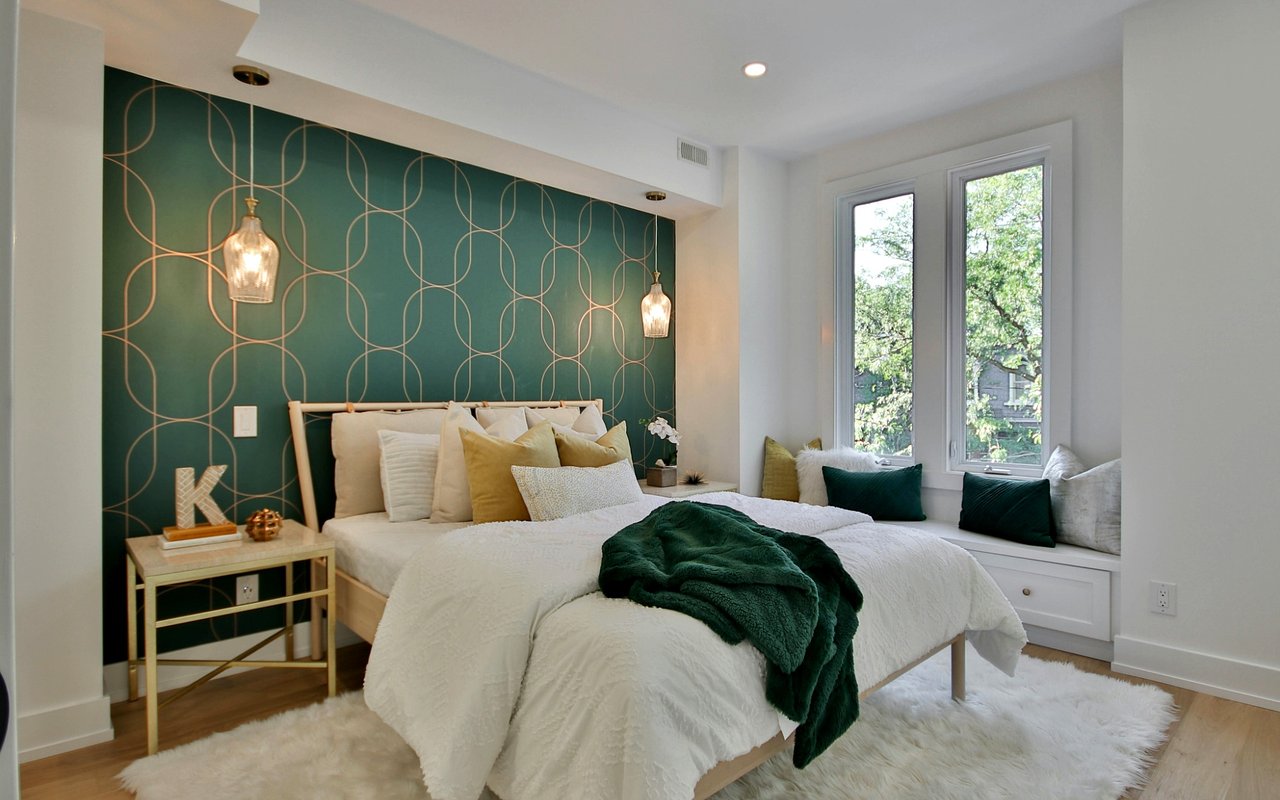
How to Create a Home That Encourages Restful Sleep: Peninsula Design Guide
Creating a home environment that promotes restful sleep in Redwood City, Menlo Park, and Silicon Valley involves strategic bedroom placement away from main roads, dual-pane acoustic windows for Caltrain noise reduction, blackout motorized shades, smart climate zoning set to 65-68 degrees, and dedicated work-free bedroom layouts.
Sleep Environment Factor | Design & Structural Solution | Primary Restful Sleep Benefit | Peninsula Real Estate Impact |
|---|---|---|---|
1. Bedroom Placement | Rear-facing or upper-level primary suites separated from living zones | Shields sleeping areas from common room activity and street traffic | Upper-level Emerald Hills suites command strong buyer interest |
2. Light Control | Layered blackout shades, warm dimmable 2700K bedside lighting | Blocks urban streetlights along El Camino Real and preserves melatonin | Motorized window treatments add turn-key luxury buyer appeal |
3. Noise Mitigation | Dual or triple-pane acoustic glass, solid-core interior doors | Reduces ambient sound intrusion from Caltrain corridors and Highway 101 | Clean acoustic insulation reports streamline transaction escrow |
4. Color & Materials | Soft neutral paint tones, organic linen bedding, upholstered headboards | Lowers visual stimulation and promotes rapid psychological relaxation | Neutral primary suite staging accelerates sales time on market |
5. Climate & Air Quality | Smart thermostats set to 65-68 degrees, HEPA air filtration | Maintains ideal core body cooling and filters outdoor allergens | Integrated smart HVAC systems boost price-per-sq-ft valuation |
6. Work-Sleep Separation | Dedicated main-floor home office, tech-free bedroom layouts | Eliminates blue light exposure and work-related cognitive stress | Essential layout requirement for Silicon Valley tech executives |
Evaluating Peninsula Homes for Optimal Livability and Comfort?
The Doran Team evaluates property layouts, acoustic insulation, and neighborhood positioning across Redwood City, Menlo Park, Atherton, and Palo Alto.
Restful Sleep Environment & Peninsula Home Feature Matrix
A home should serve as a sanctuary for restoration and quiet recovery. In fast-paced Silicon Valley communities like Redwood City and Menlo Park, where demanding tech careers and Highway 101 commutes create high daily stress, quality sleep is essential to long-term health and productivity.
When evaluating real estate, thoughtful interior design, room placement, and environmental controls directly impact daily comfort and future resale value.
6 Essential Design Strategies for Restful Sleep
1. Evaluate Primary Bedroom Placement and Layout
Bedroom positioning forms the foundation of a quiet sleeping space. In historic Redwood City neighborhoods like Mount Carmel and Edgewood Park, vintage home floor plans require careful evaluation of privacy. Position primary suites away from noisy street fronts, shared kitchen walls, or outdoor entertainment patios. In multi-level Emerald Hills hillside residences, upper-floor bedrooms naturally offer sound separation.
2. Control Natural and Artificial Light Exposure
While abundant California sunshine is a primary lifestyle benefit, excessive light disrupts nocturnal circadian rhythms. Homes near Downtown Redwood City or along El Camino Real face nighttime ambient light pollution. Installing motorized blackout shades, layered drapes, and warm 2700K dimmable bedside lamps prepares the body for restful sleep.
3. Minimize Noise Intrusion with Acoustic Upgrades
Proximity to Caltrain rail lines and main thoroughfares requires strategic acoustic damping. Upgrading to dual or triple-pane STC-rated windows, hanging solid-core wood interior doors, and placing plush wool rugs over hardwood floors absorbs ambient sound and prevents sleep interruptions.
4. Select Calming Color Palettes and Organic Textiles
Visual environment directly influences nervous system relaxation. Decorating primary bedrooms in soft, muted tones (such as sage, warm gray, or soft blue) reduces visual stimulation. Pairing neutral wall colors with breathable cotton or organic linen bedding creates a serene atmosphere.
5. Optimize HVAC Climate Control and Indoor Air Quality
Core body temperature drops naturally during sleep cycles. Programming smart Nest or Ecobee thermostats to maintain 65 to 68 degrees Fahrenheit overnight supports deep REM sleep. In addition, installing MERV-13 HVAC filters or dedicated HEPA air purifiers removes dust and Bay Area pollen.
6. Establish Sleep-Dedicated Spaces Free from Tech Clutter
With remote work common across Silicon Valley, keeping work equipment out of primary bedrooms is critical. Establishing clear boundaries by locating desks in dedicated home offices prevents blue light exposure and work-related anxiety in sleeping areas.
Bedroom Sleep Optimization Checklist:
- Window Treatments: Install side-channel blackout roller shades to eliminate light leaks
- Acoustic Protection: Replace hollow-core bedroom doors with heavy solid-core wood doors
- Climate Target: Program night thermostat schedules between 65 and 68 degrees Fahrenheit
- Digital Boundaries: Position phone charging stations across the room away from bedside tables
Long-Term Livability & Peninsula Home Resale Value
Designing bedrooms for comfort enhances daily living while boosting long-term real estate appeal. Turn-key primary suites featuring blackout window treatments, quiet dual-pane windows, and integrated smart climate controls stand out during home showings in competitive Peninsula markets.
When preparing a home for sale, staging bedrooms in serene neutral tones helps prospective buyers envision a quiet, restorative retreat.
Frequently Asked Questions
Does bedroom orientation affect sleep quality in Silicon Valley homes?
Yes. Bedrooms oriented away from street fronts, facing rear gardens or quiet side yards, experience significantly less vehicle traffic noise and headlight glare, resulting in better sleep quality.
Are window upgrades worth the investment for noise reduction in Redwood City?
Yes. Installing dual or triple-pane acoustic glass in homes near Caltrain tracks or major thoroughfares like El Camino Real substantially lowers decibel levels, improves energy efficiency, and increases resale value.
How should bedrooms be staged to convey a restful sleep environment?
Stage bedrooms with neutral bedding, uncluttered nightstands, warm indirect lighting, and clear pathways, removing television monitors, work desks, and personal clutter.
What smart HVAC features help maintain optimal sleep temperature?
Smart thermostats with remote room sensors monitor primary bedroom temperature independently, automatically adjusting cooling and heating schedules to maintain the ideal 65-68 degree sleep range overnight.
Explore Related Silicon Valley Real Estate Guides
Authored by The Doran Team | Silicon Valley Real Estate Specialists
The Doran Team (DRE #01730030) specializes in luxury residential real estate across Redwood City, Menlo Park, Atherton, Palo Alto, and San Carlos. The team helps buyers and sellers evaluate floor plans, acoustic features, and home design elements that support daily well-being.
Office: The Doran Team, Silicon Valley, CA. Learn more on The Doran Team About Page.
Source Notes: National Sleep Foundation Environmental Guidelines, California Building Standards Code Acoustic Insulation Specs, and Silicon Valley MLS Property Staging Records verified as of 2026.